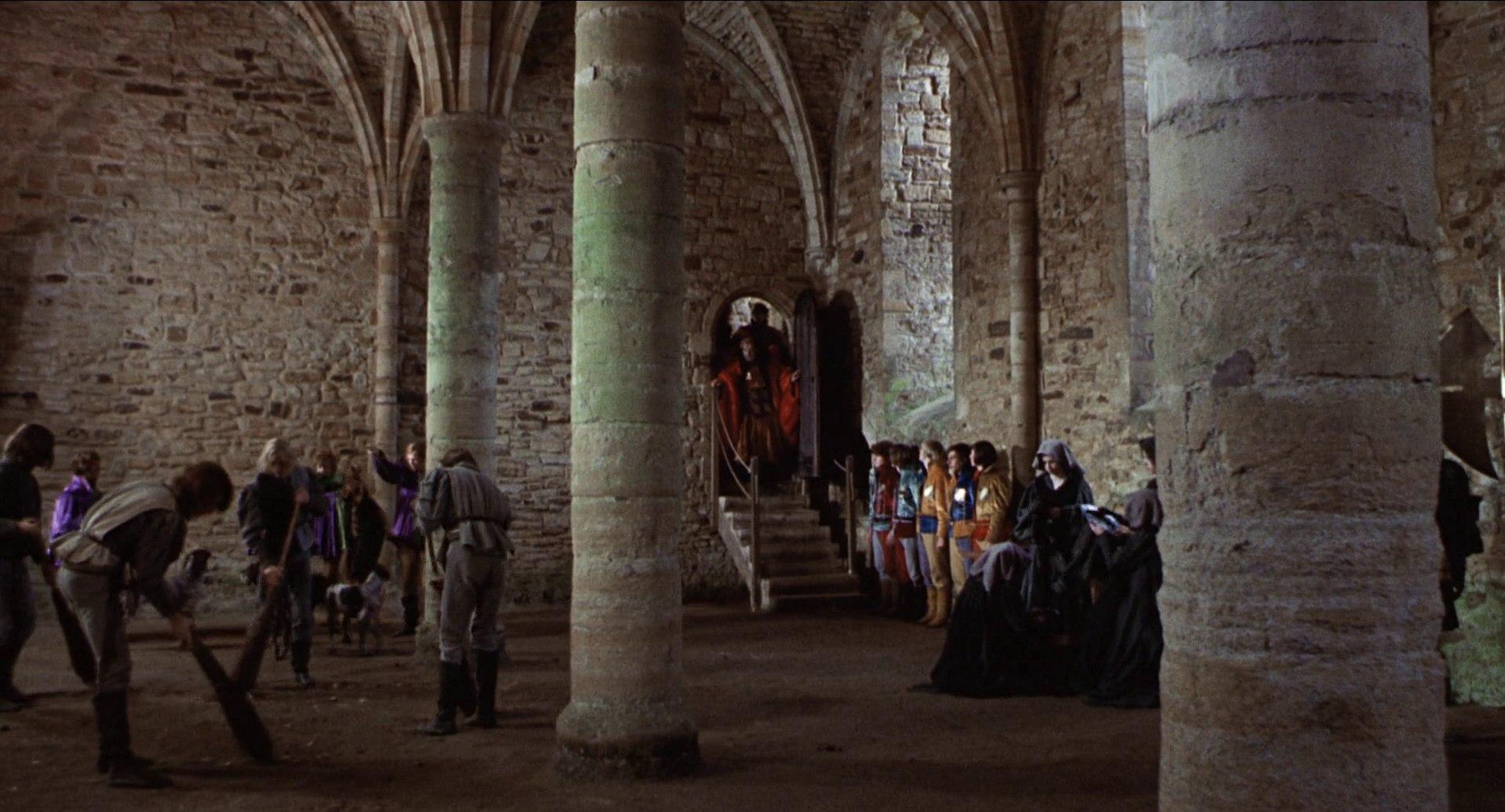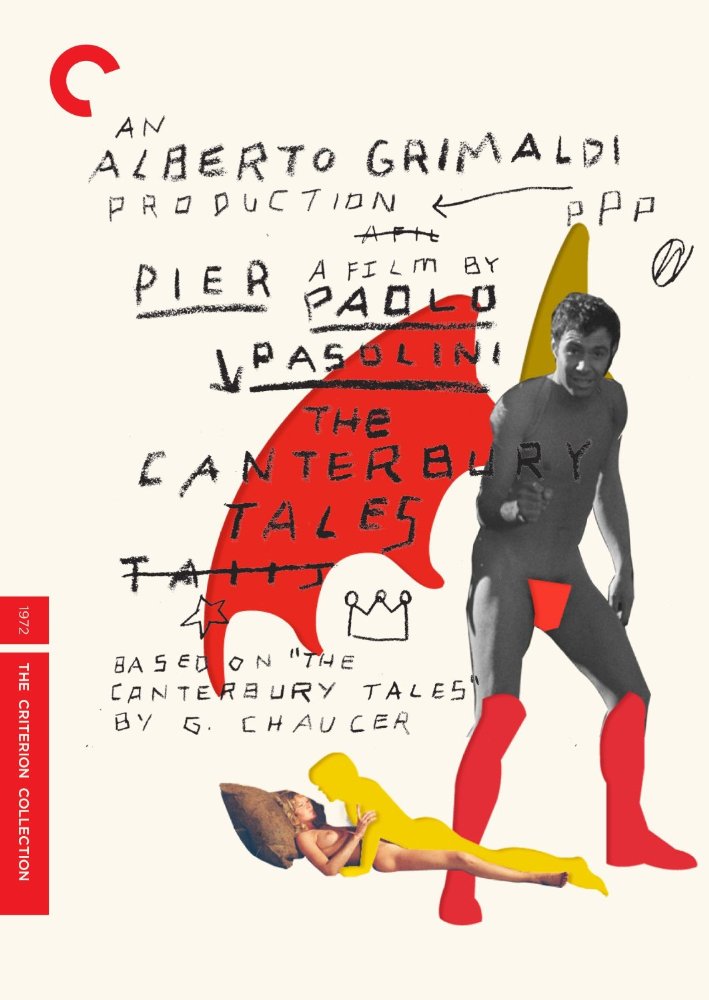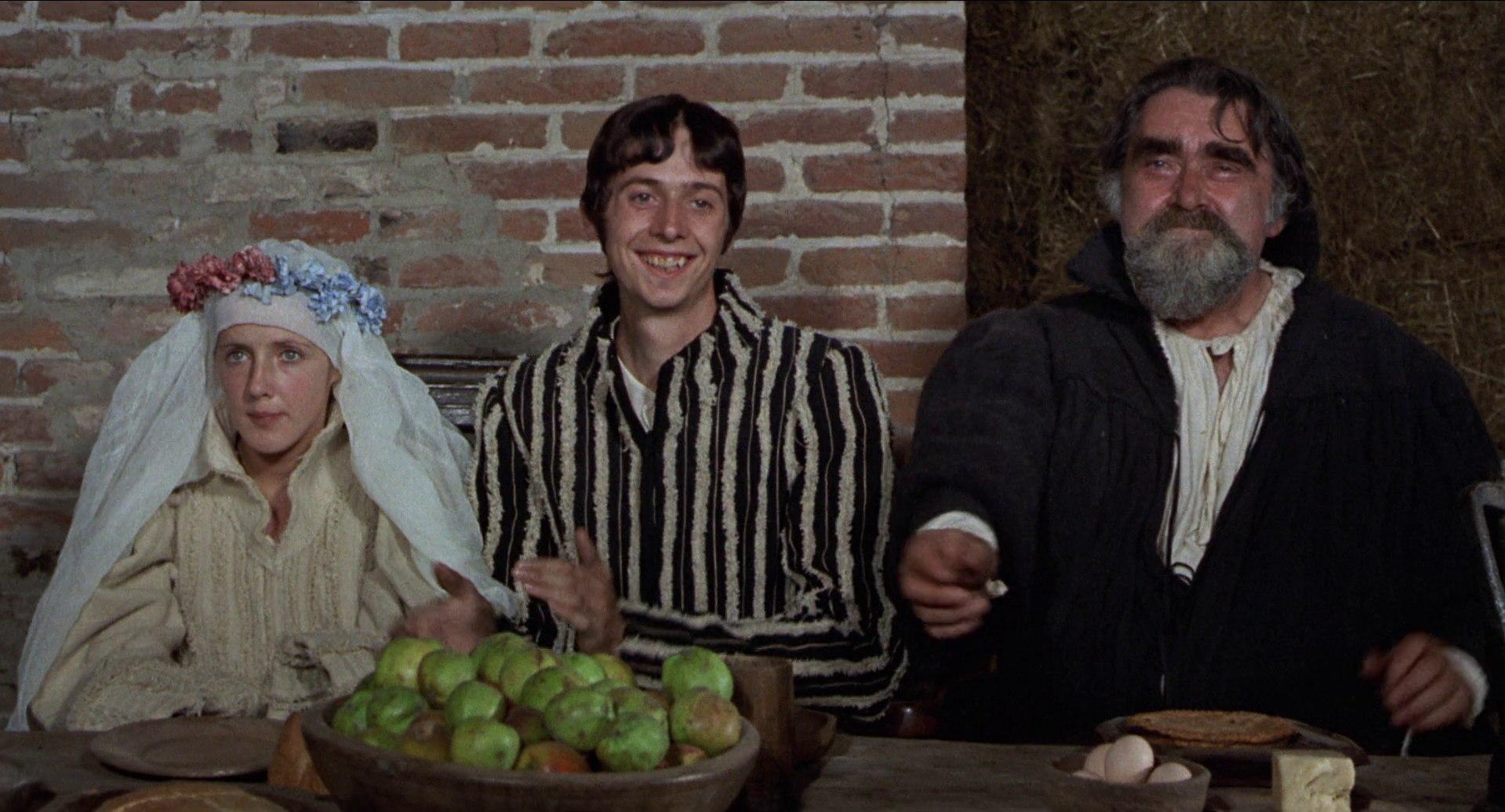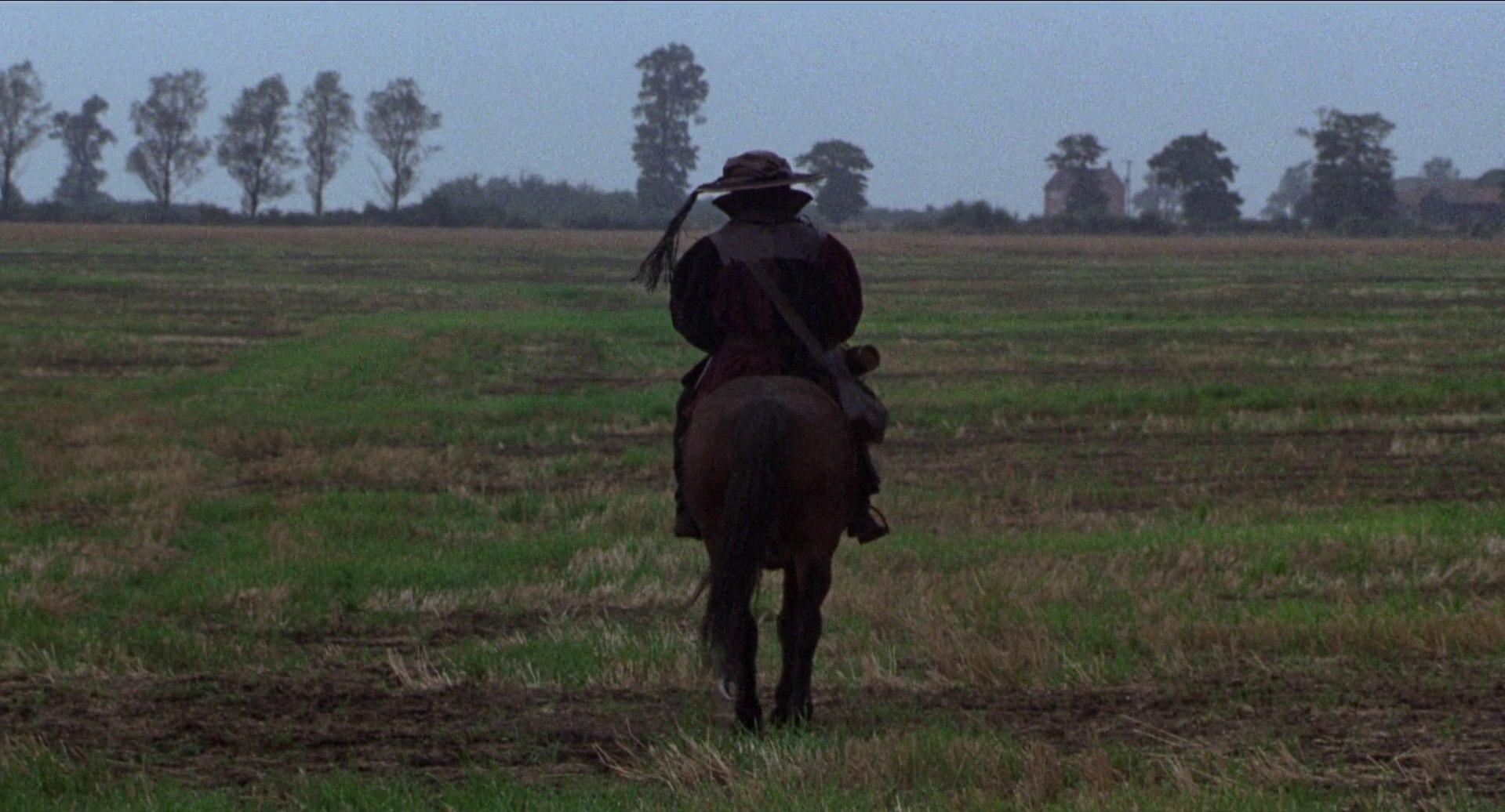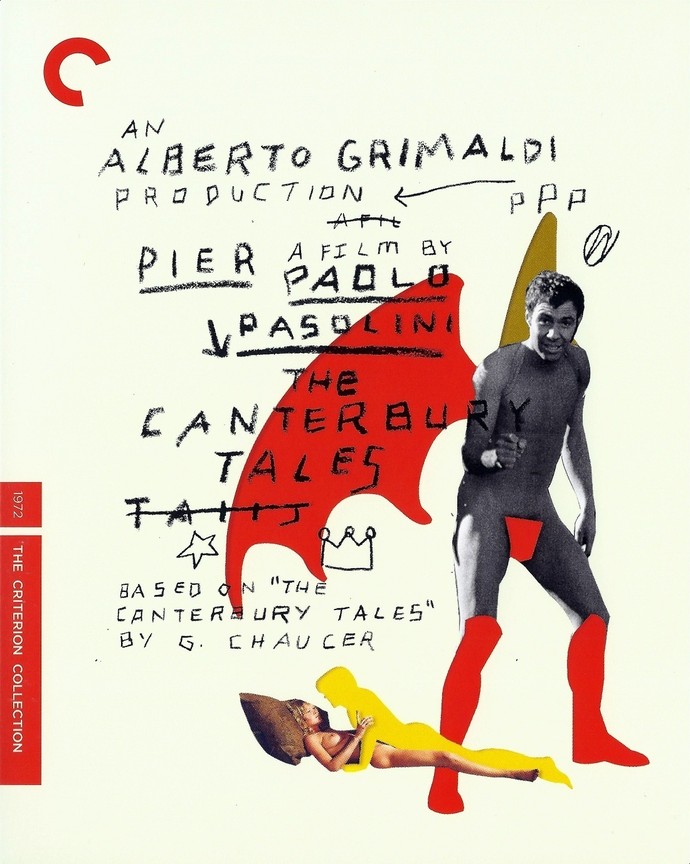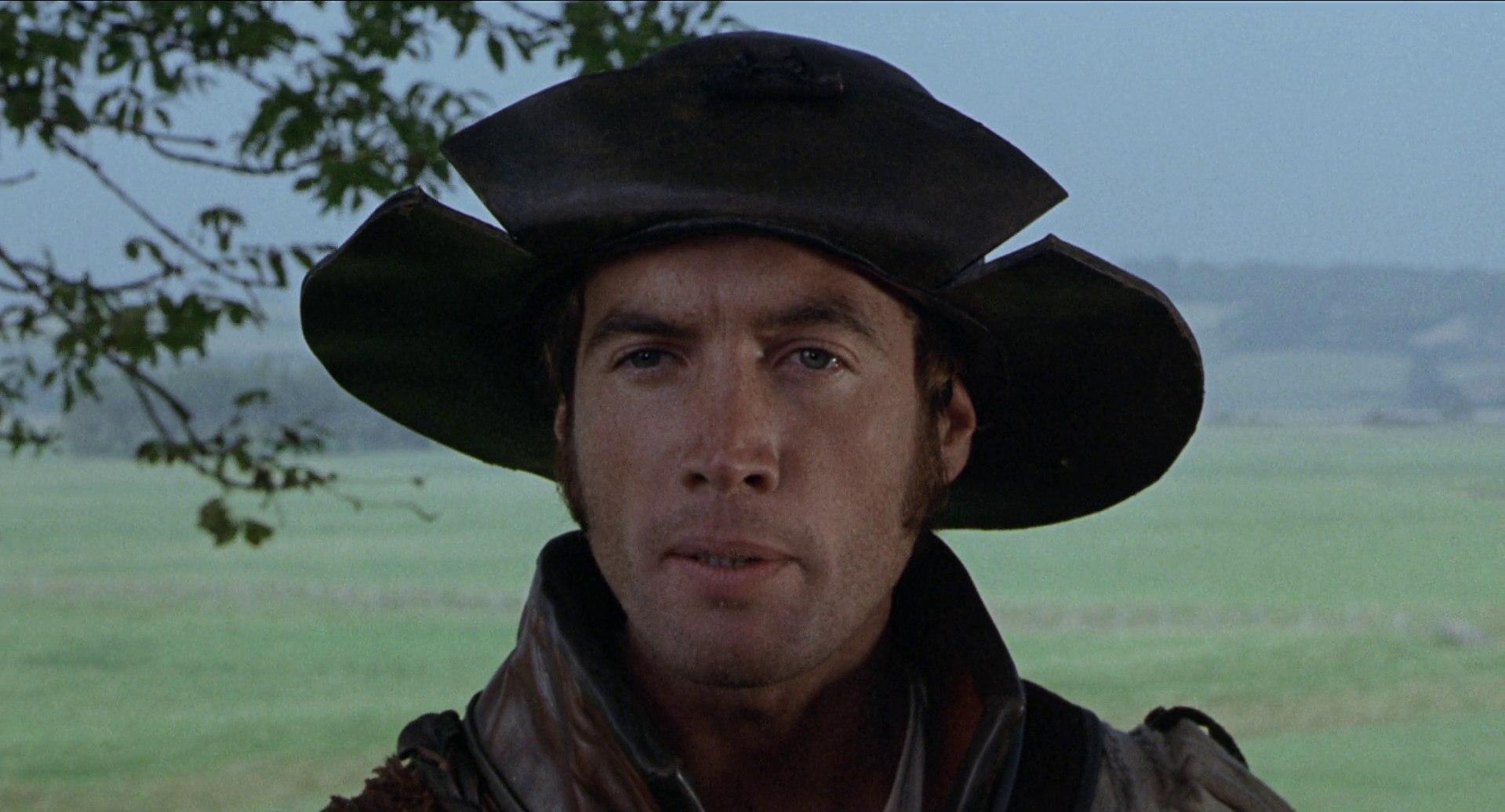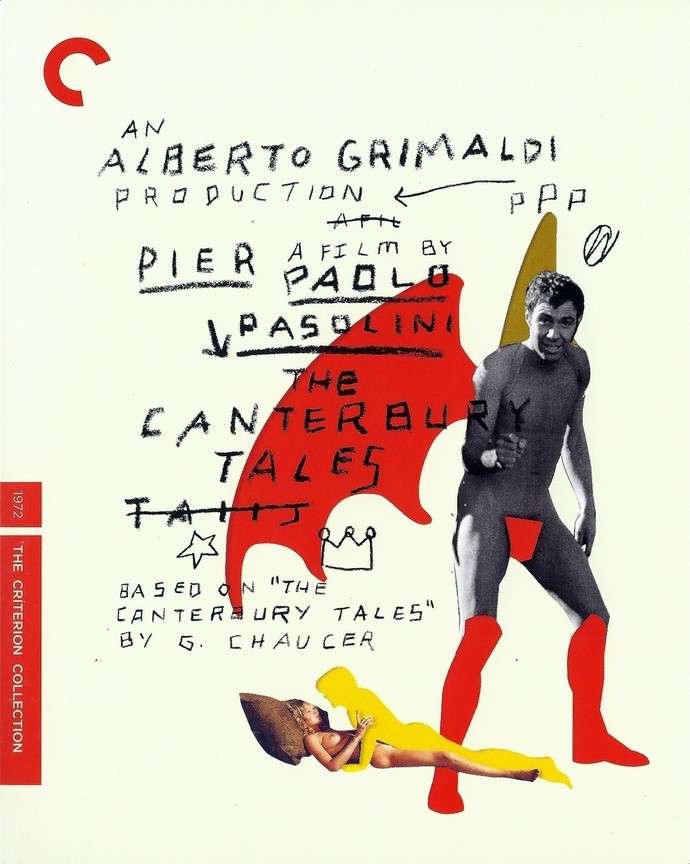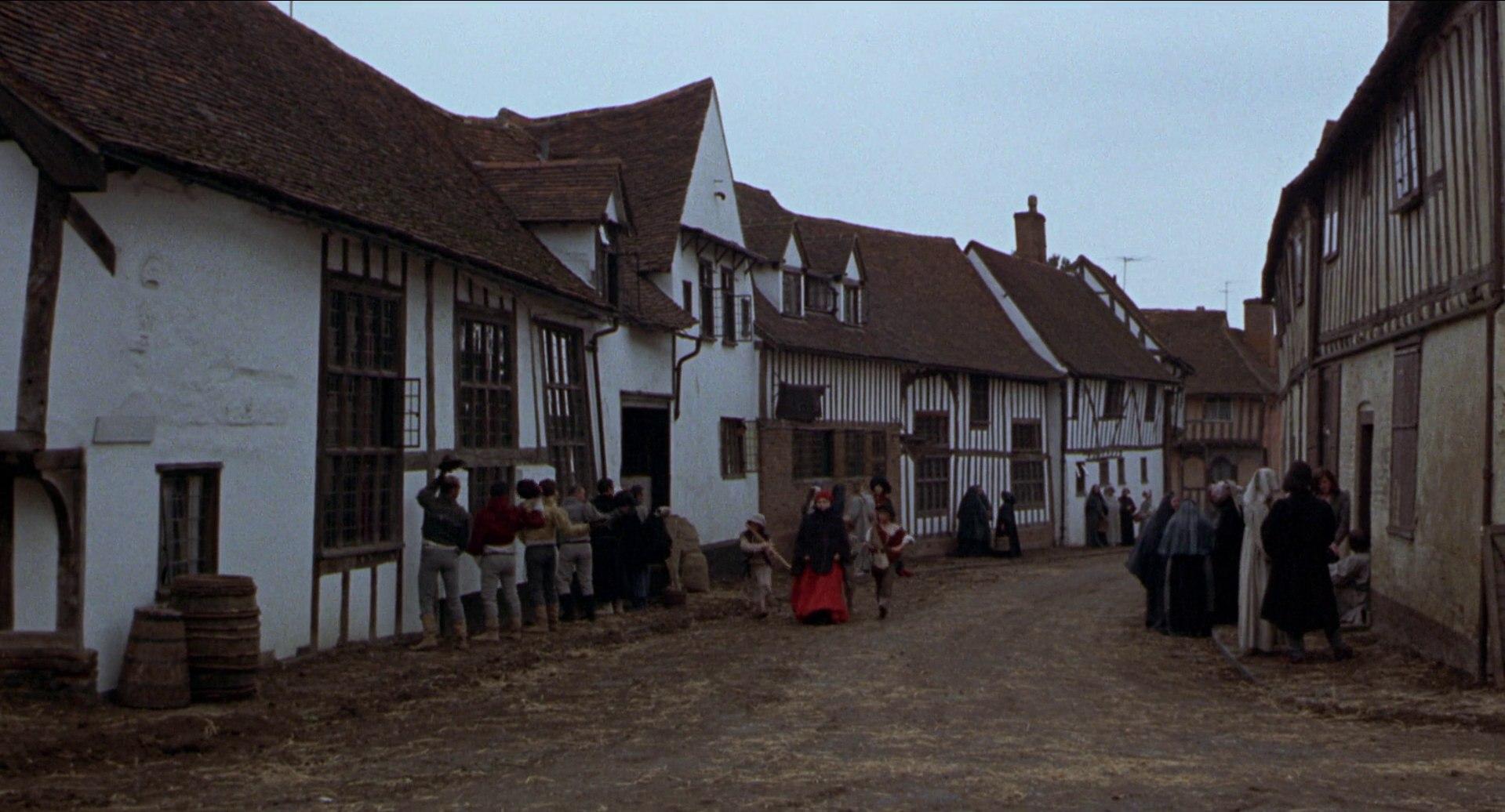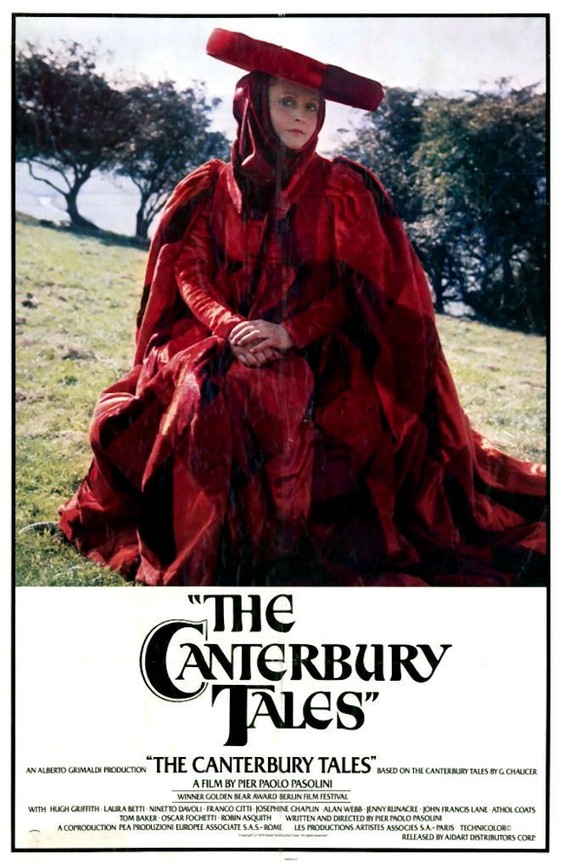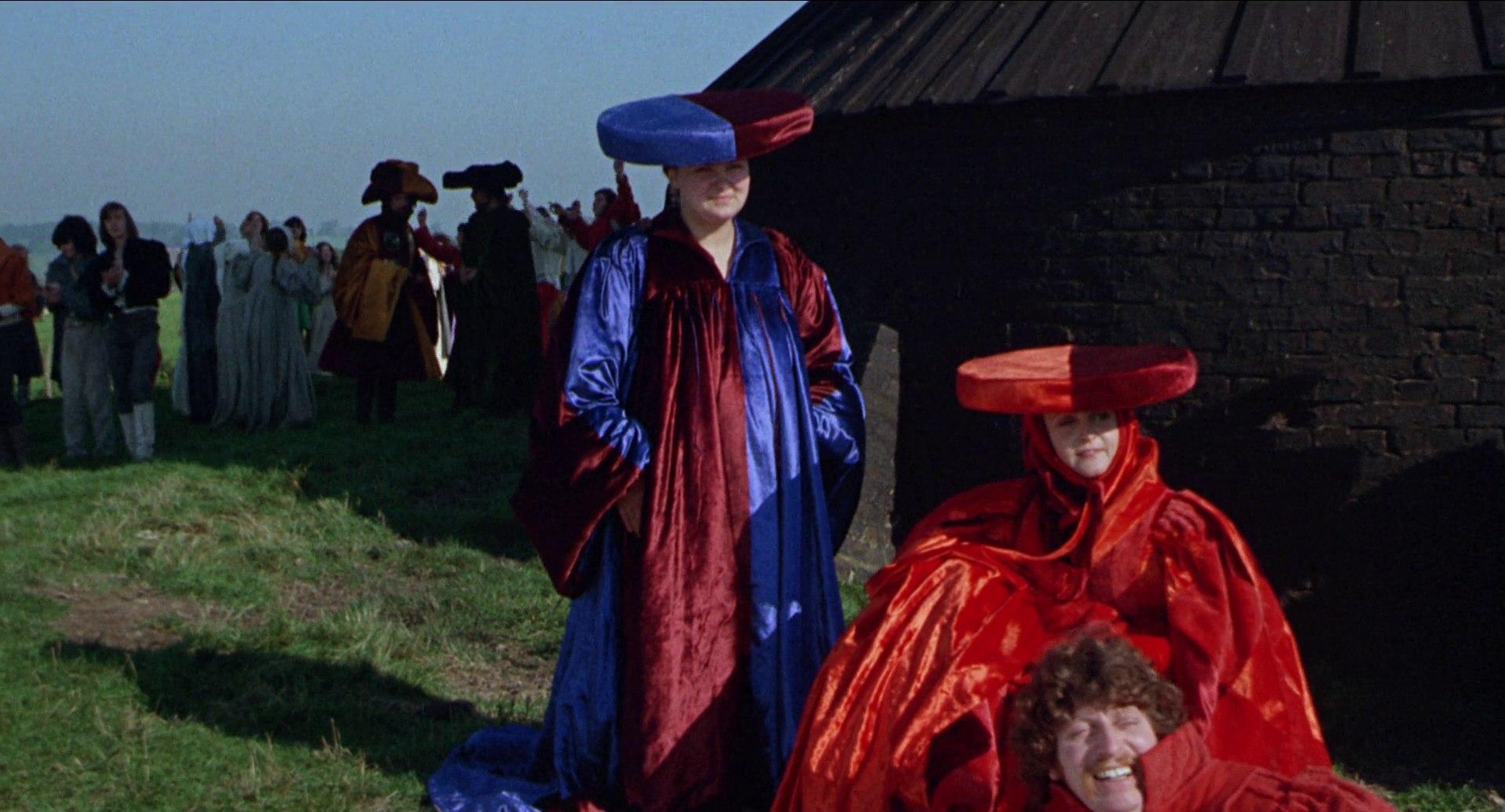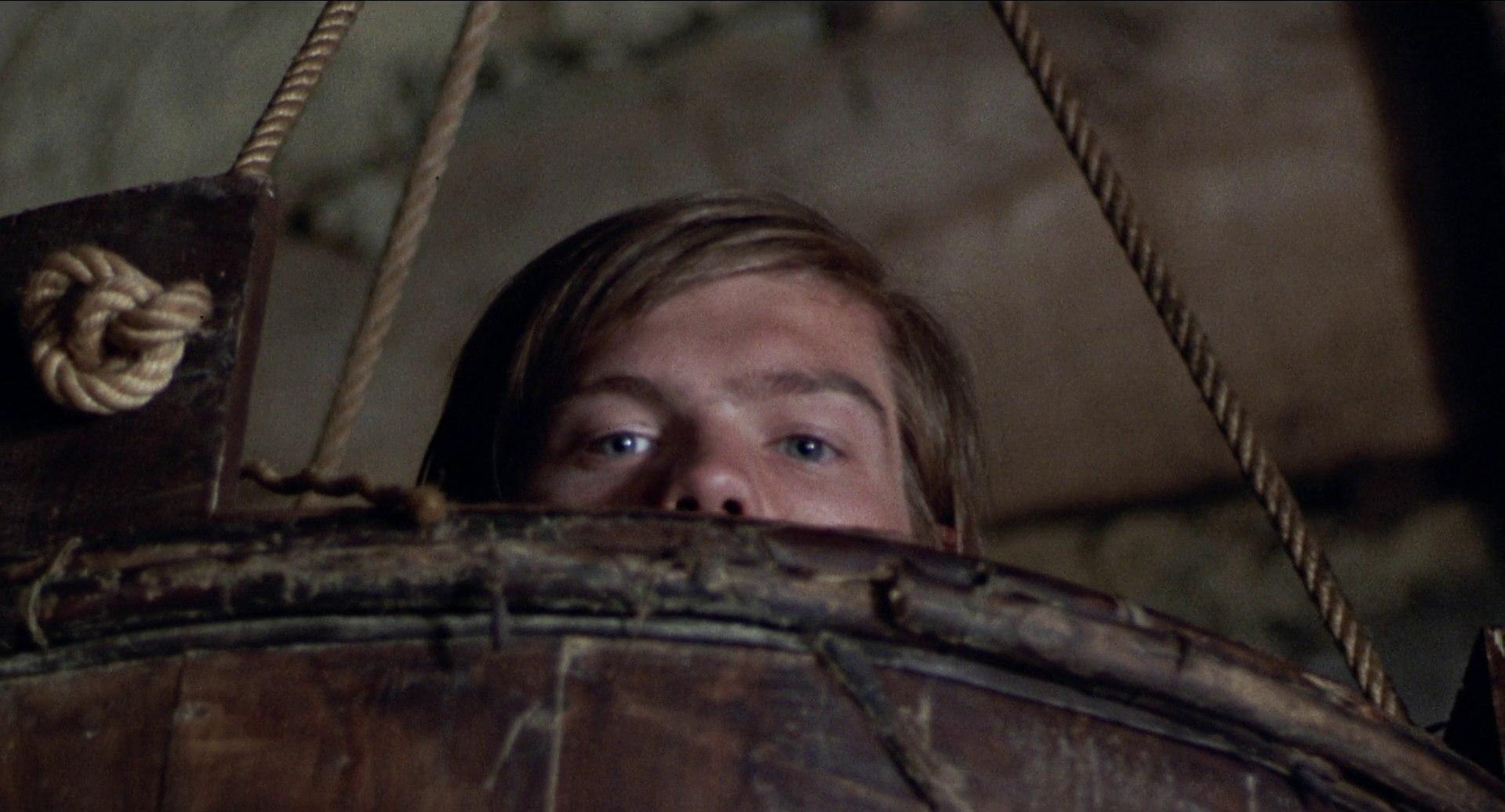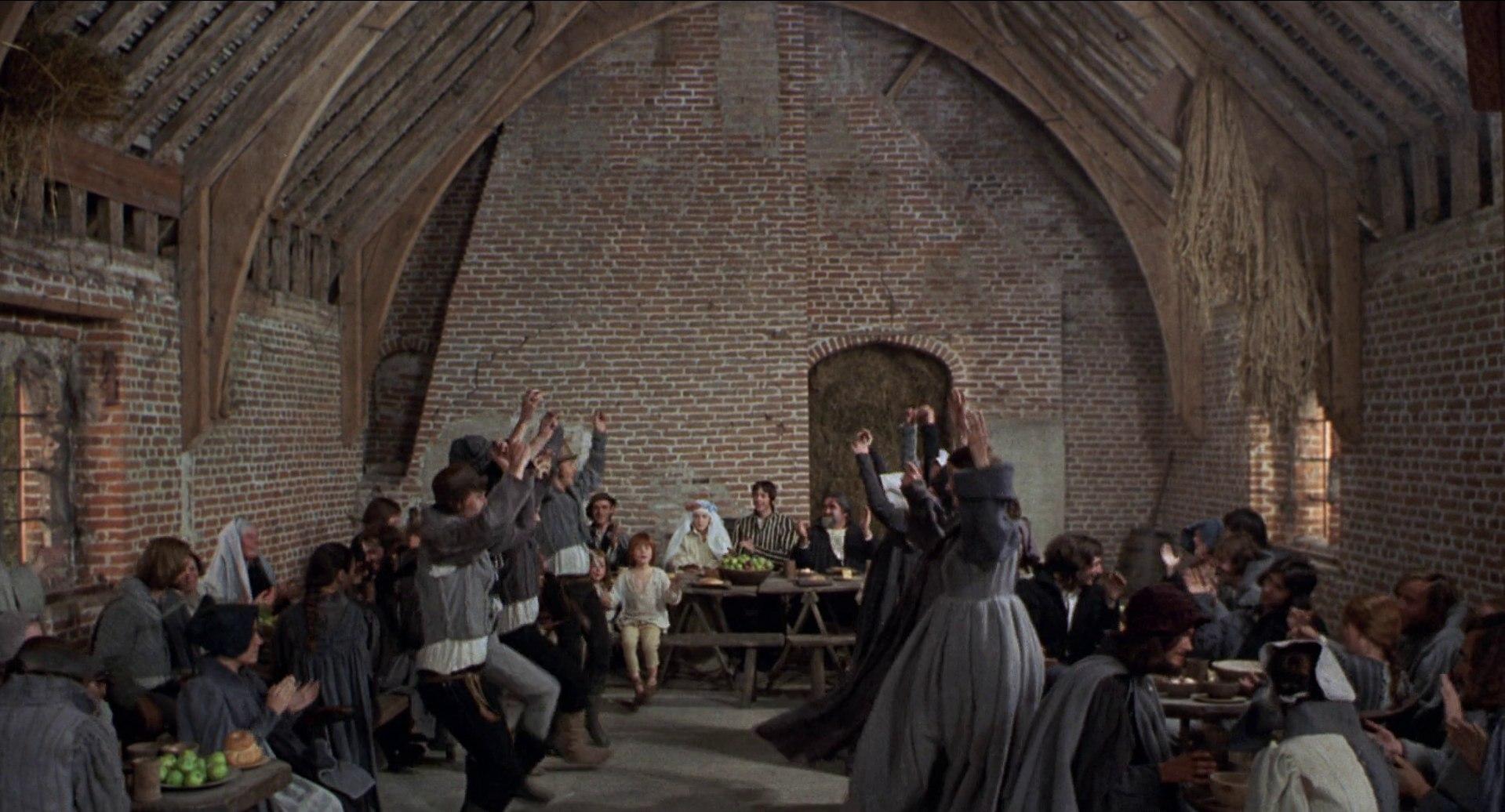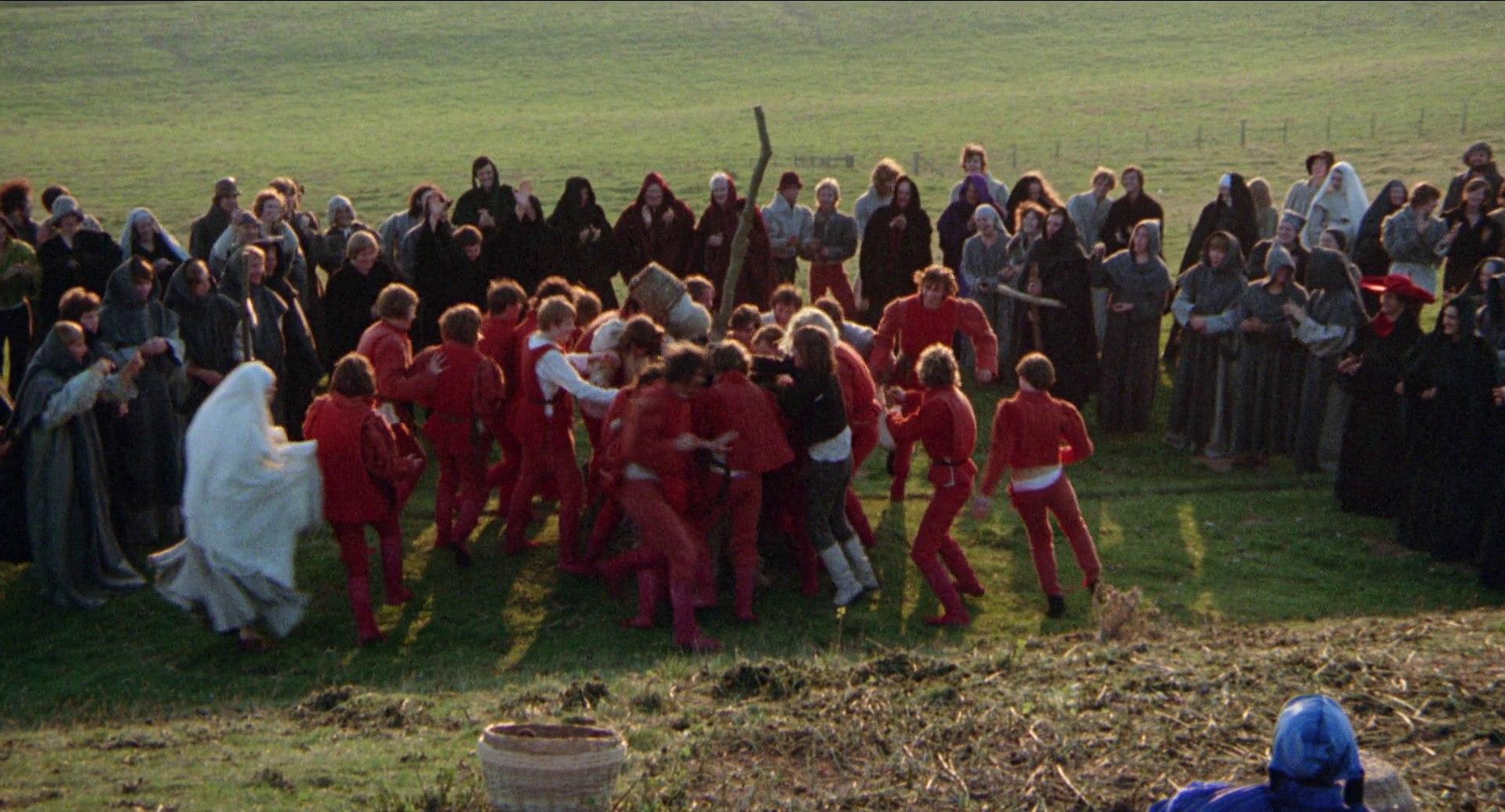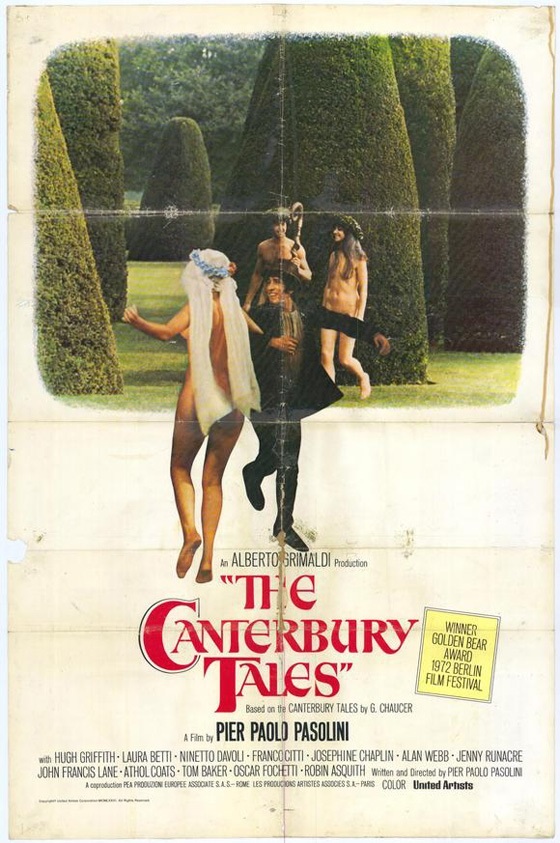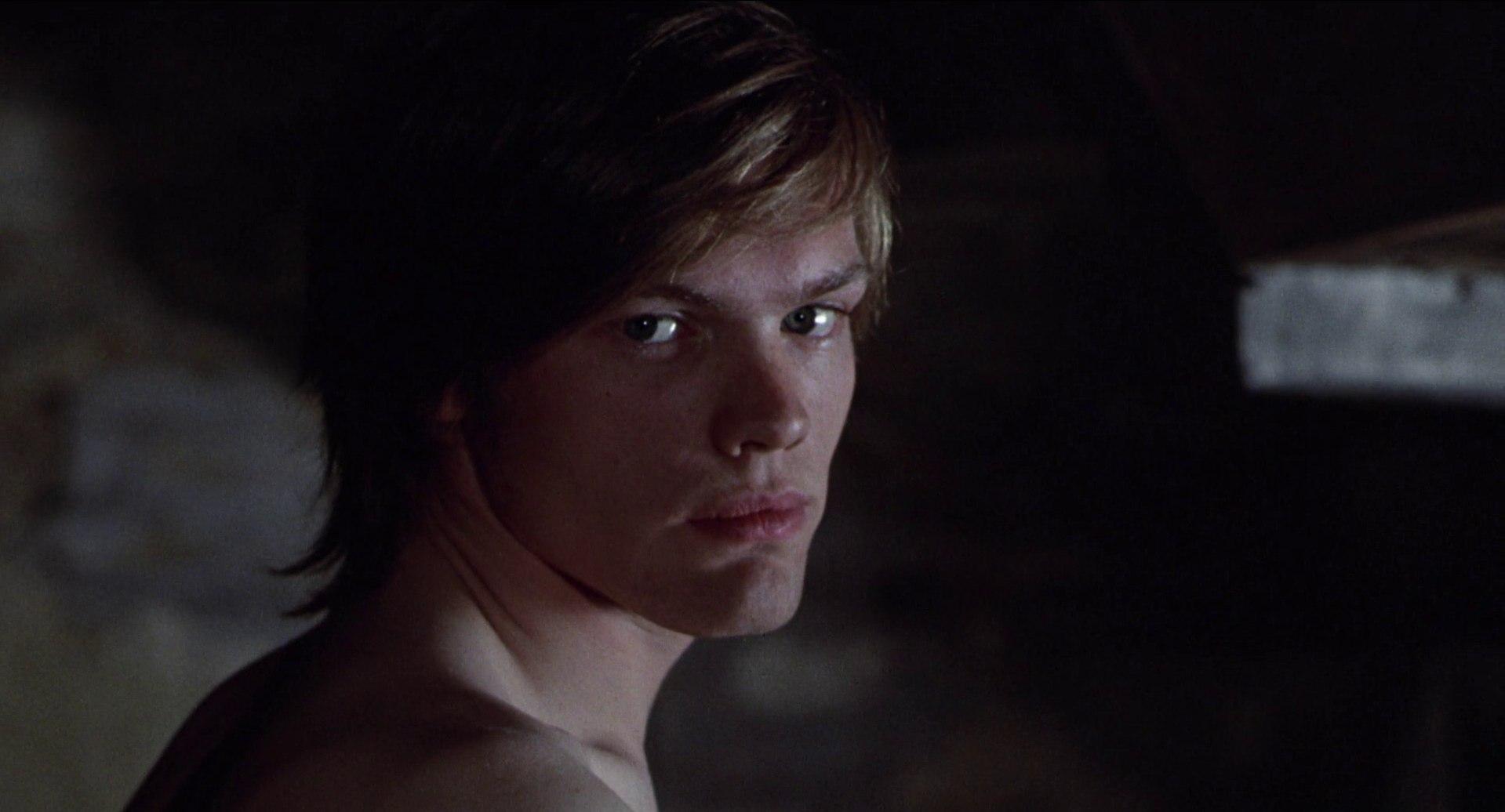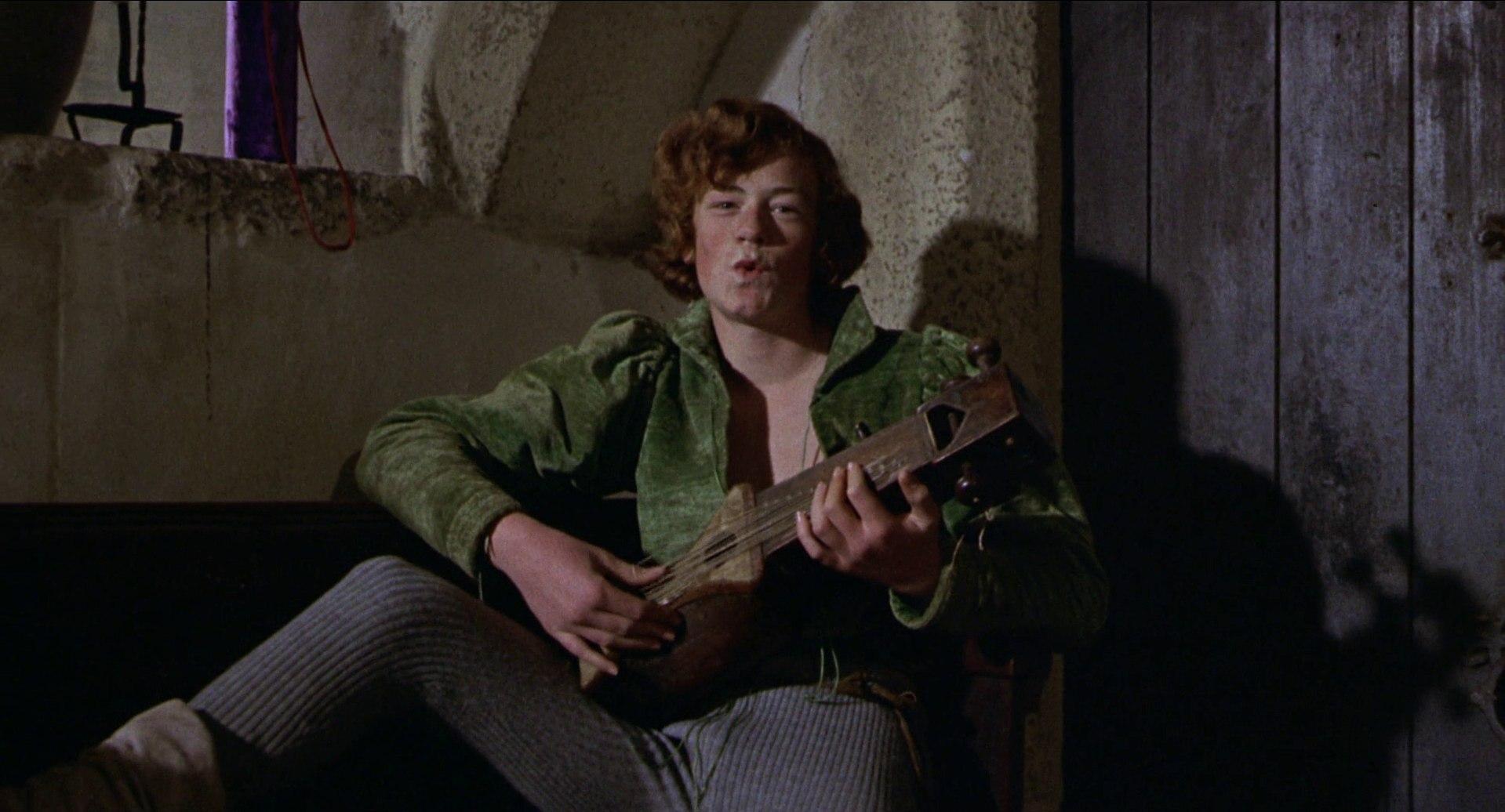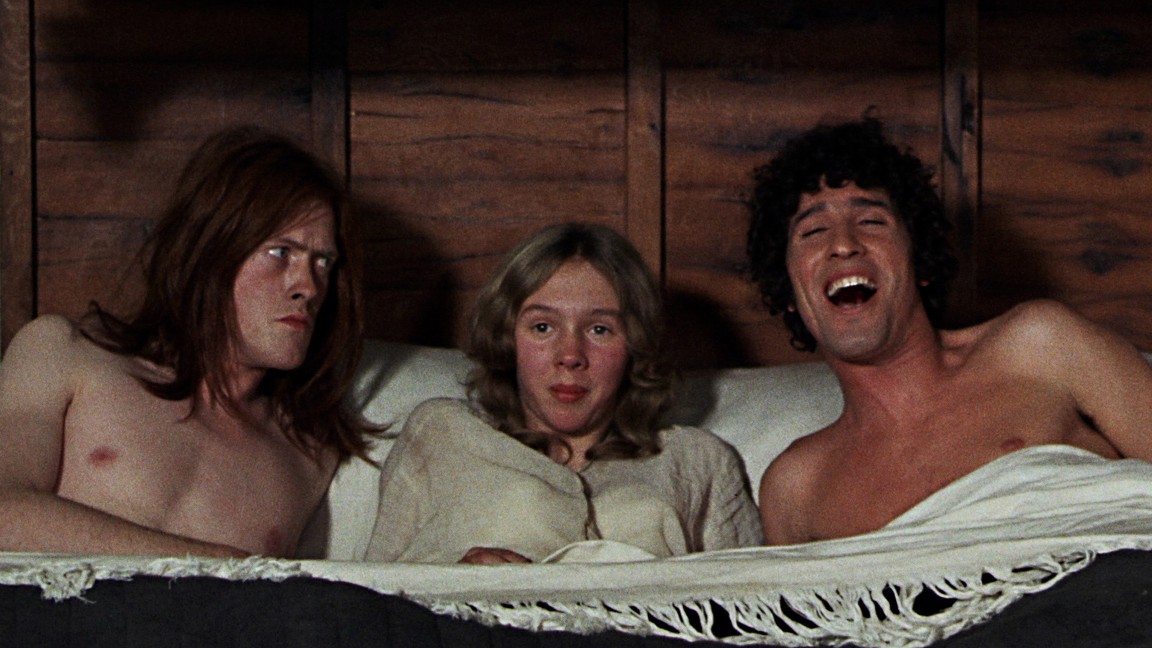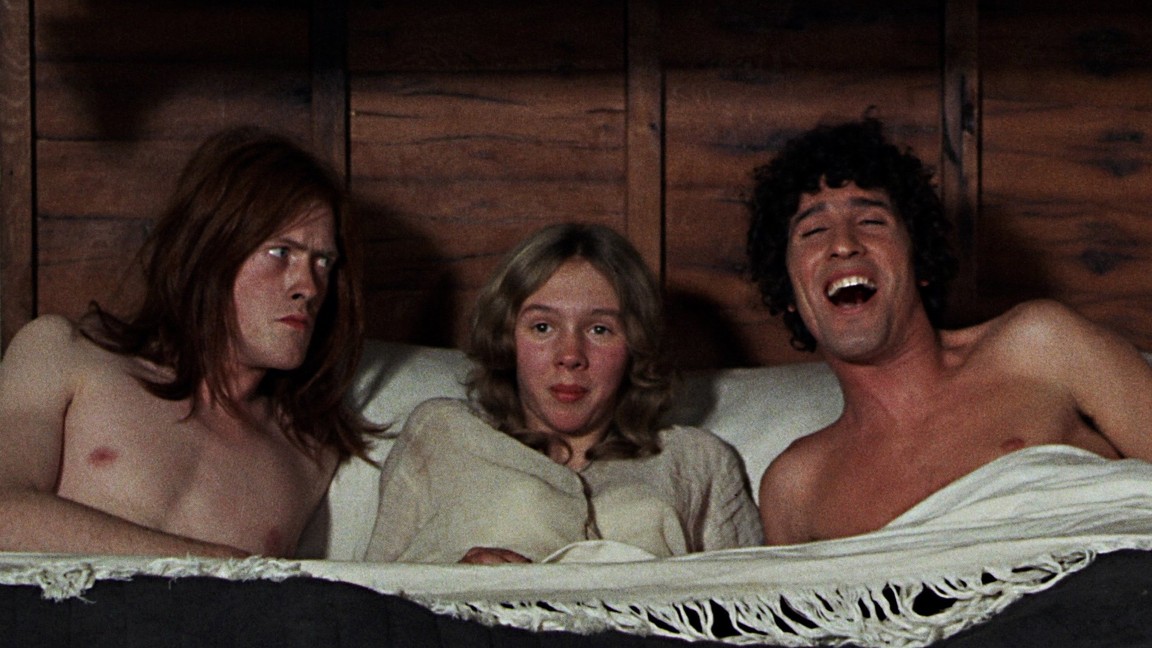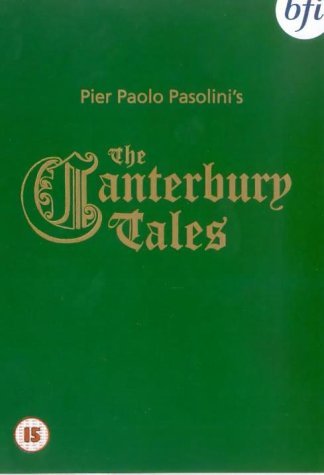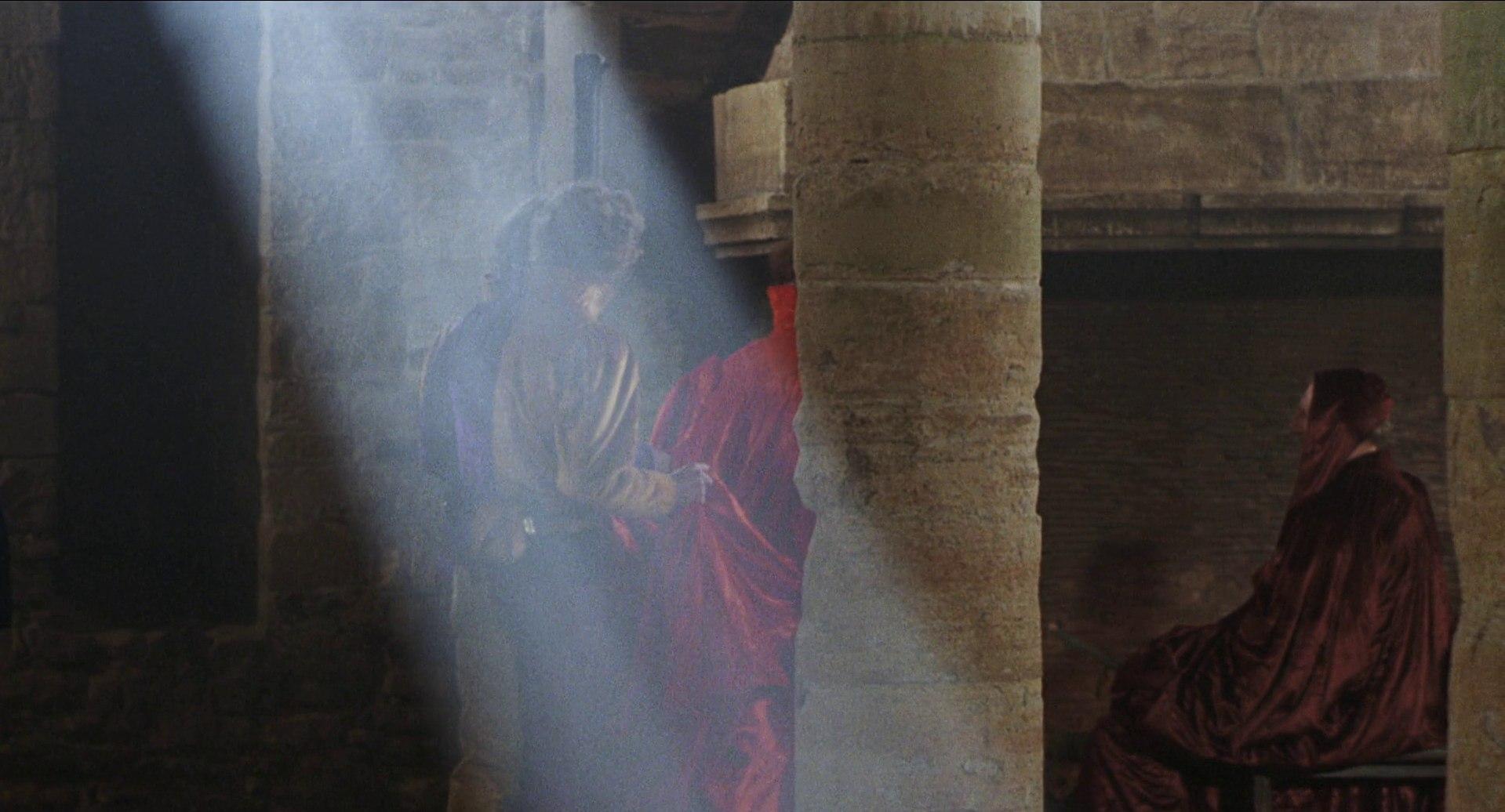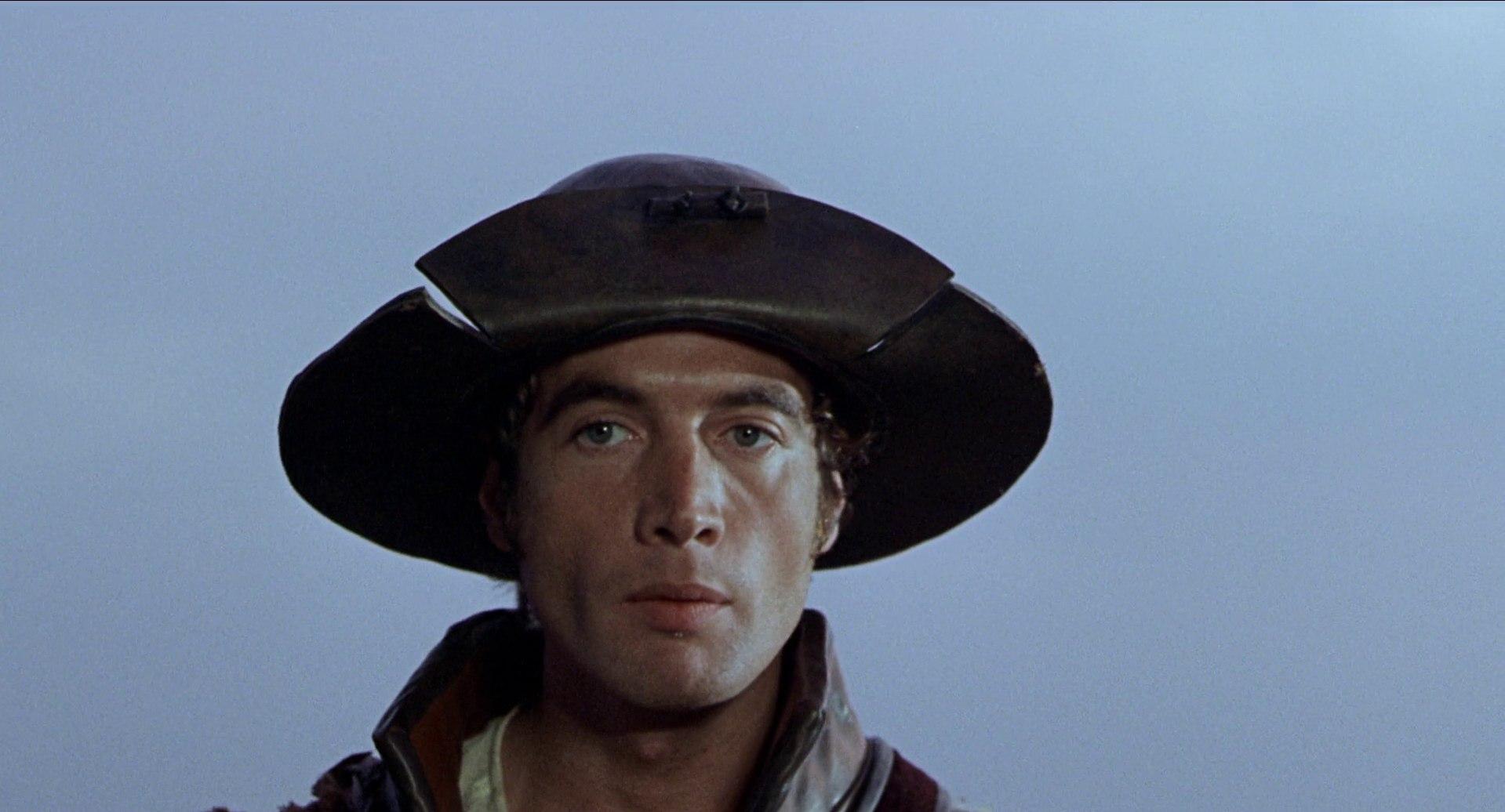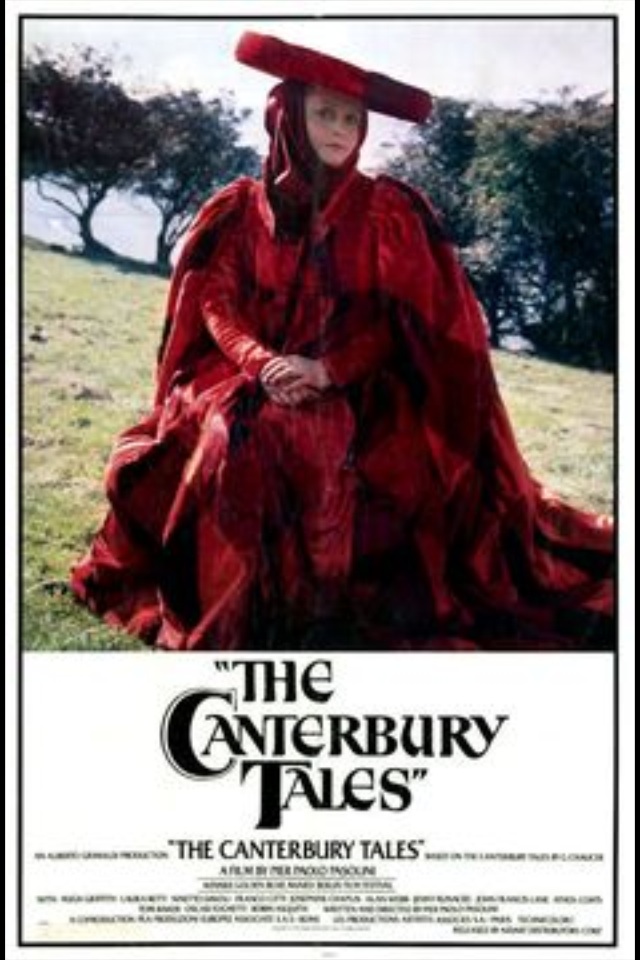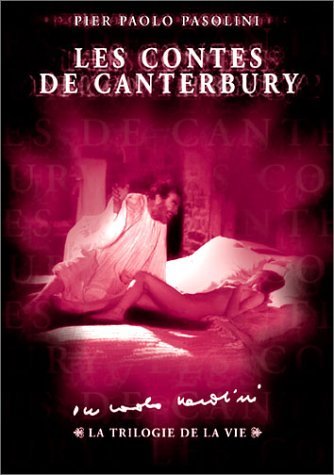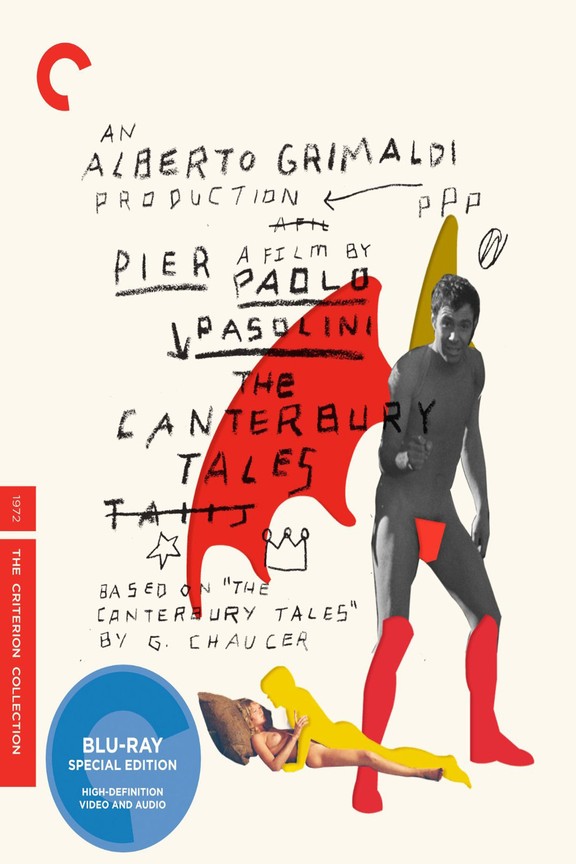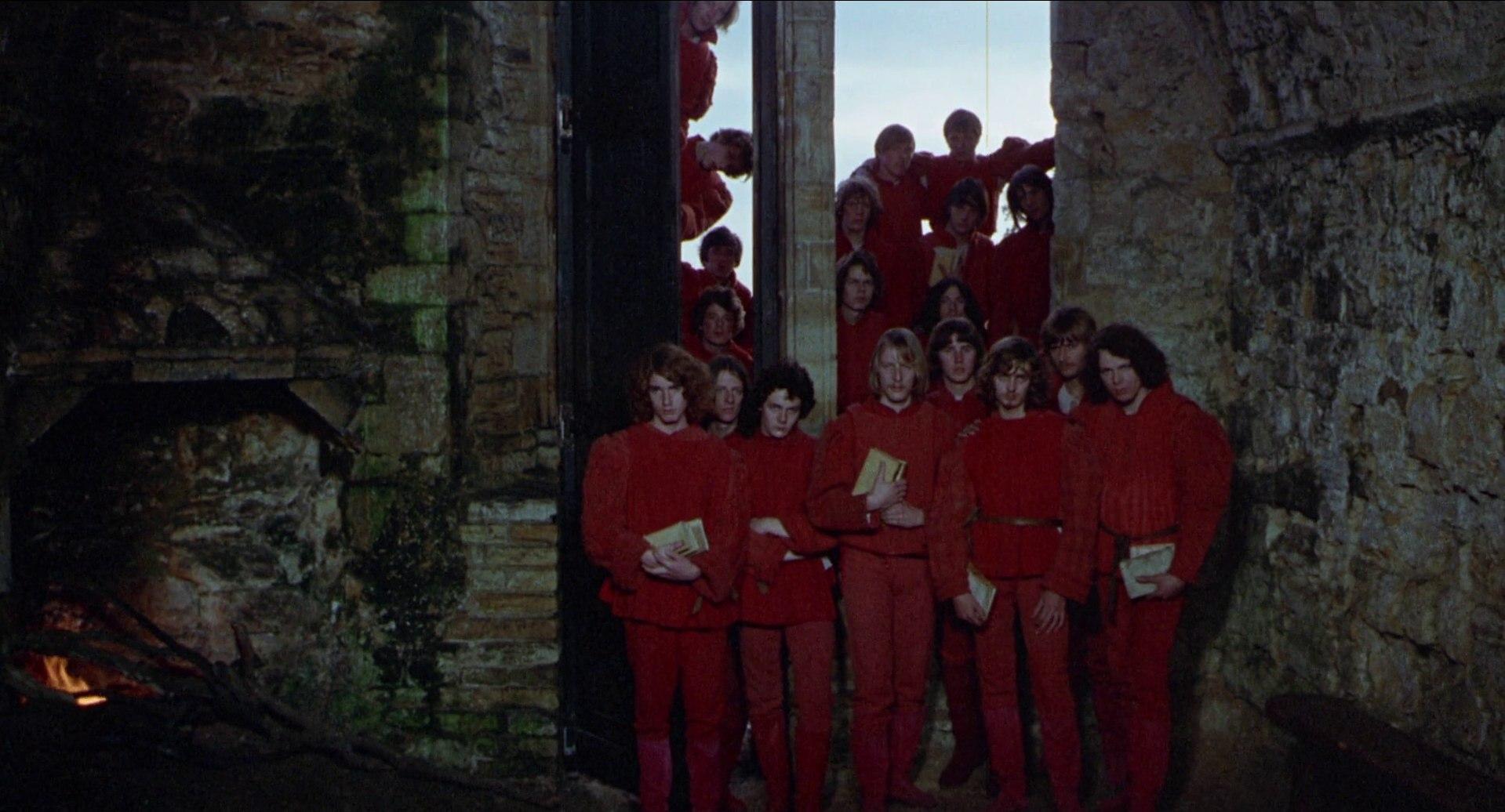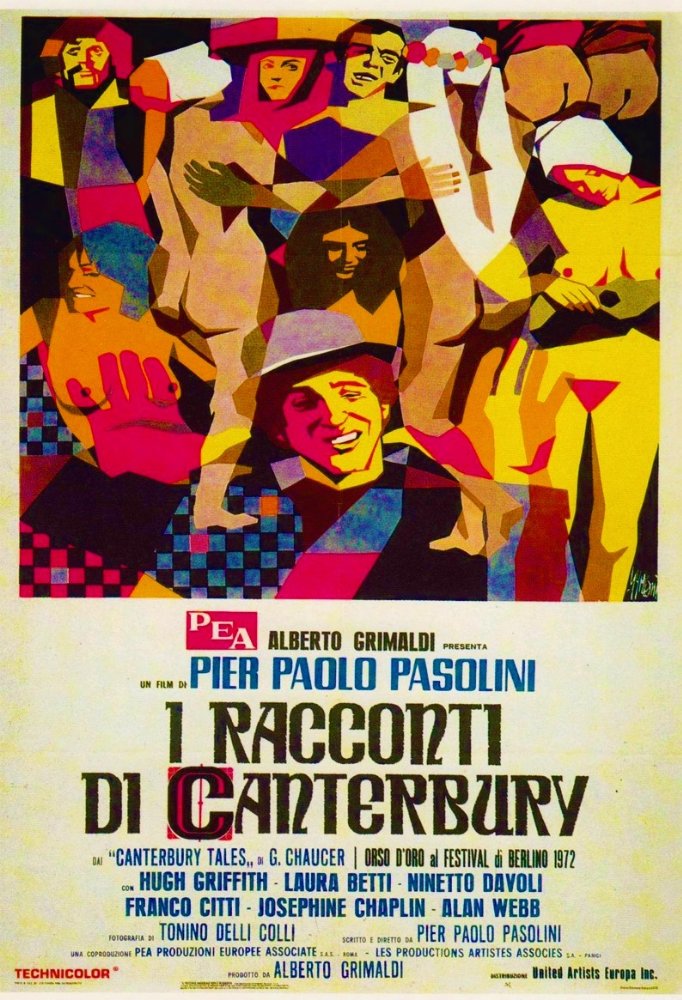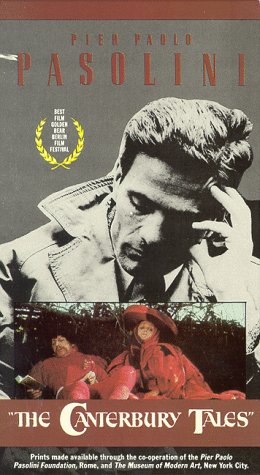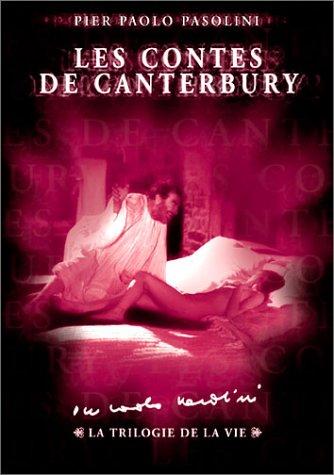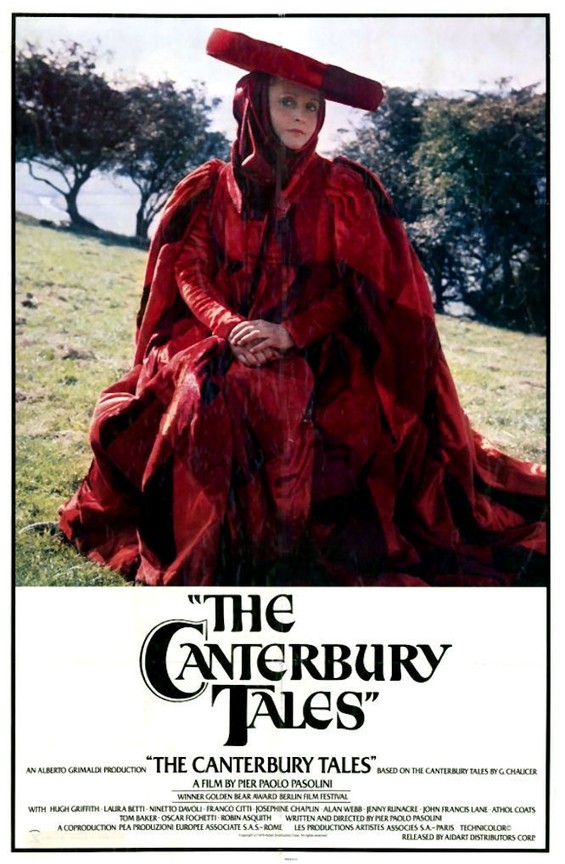










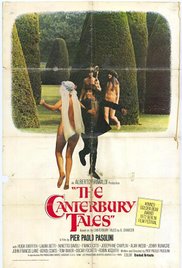
Glimpses of Chaucer penning his famous work are sprinkled through this re-enactment of several of his stories. A host of passionate lovers unite for a glorious, sometimes unexpected journey through Chaucer's medieval England.









![Mamma Roma [Sub: Eng]](https://static.gomovies.tube/img/movies/7r35mMdlhLijwVZBFa4CCM0f4SMkZM2FPrIIta4tgO2oWFp6GITCkHGjWW8hiC9ck2OMOU8IxYbPjDUY_IqagCqtEn-NvIW4lz7ThMsRj5A.jpg)
![Uccellacci e uccellini [Audio: Italian]](https://static.gomovies.tube/img/movies/mlOwp34LoZczY7O-om0rge2fjo8mcHjE8KwlUB52F38oItJ-8ToSatb6iaCc23HLteC7h845wrk61NAzpLOrEI9FL05VYplK-xMBQUgqz8I.jpg)



5 March 1934, Banstead, Surrey, England, UK
5 March 1922, Bologna, Emilia-Romagna, Italy
12 October 1950, Southport, Lancashire, England, UK
11 October 1948, San Pietro a Maida, Calabria, Italy
23 April 1935, Rome, Lazio, Italy
11 February 1918, Dover, Kent, England, UK

20 January 1934, Liverpool, England, UK
6 May 1952, England
4 July 1926, Bicester, Oxfordshire, England, UK

27 March 1932, Hadleigh, Suffolk, England, UK
10 October 1911, Keoma, Alberta, Canada

30 May 1912, Marian Glas, Anglesey, Wales, UK
3 January 1920, Morro Velho, Minas Gerais, Brazil

7 January 1913, Essex, England, UK
13 December 1952, Woolwich, London, England, UK

28 March 1949, Santa Monica, California, USA




October 23, 2007
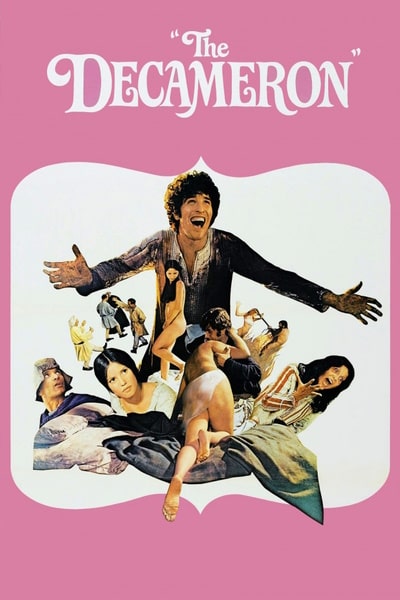
After the formidable commercial success of his bawdy Decameron, Pier Pasolini applied the same formula to Geoffrey Chaucer's The Canterbury Tales with somewhat less appealing results.
April 28, 2004
Robust and smart, much like its more expansive source material.
October 23, 2007
If Pasolini had something more than grubby fantasy on his mind -- and presumably he did -- it isn't immediately apparent.
April 14, 2004
In contrast to the Italy of Pasolini's Decameron, the England of The Canterbury Tales is much more harsh in its treatment of vice of all kinds.
January 04, 2013
the brash, arguably campy manner in which Pasolini transcribes Chaucer's medieval bawdiness to the screen, coupled with the film's various technical faults (particularly the lousy dubbed dialogue), tends to make the film a chore to watch.
May 24, 2003
It can be hard going at times, especially with the post-production dubbing of sound and the blank, detached acting Pasolini demanded, but it also contains some very funny and superbly-shot sequences.